Blog image

Build Beyond Chat—
Make AI Do Sh*t.

No fluff. Just deep dives into tool-calling and agent auth to make your AI actually useful.

Rays decoration image
Icon
Search icon
PRODUCT RELEASE

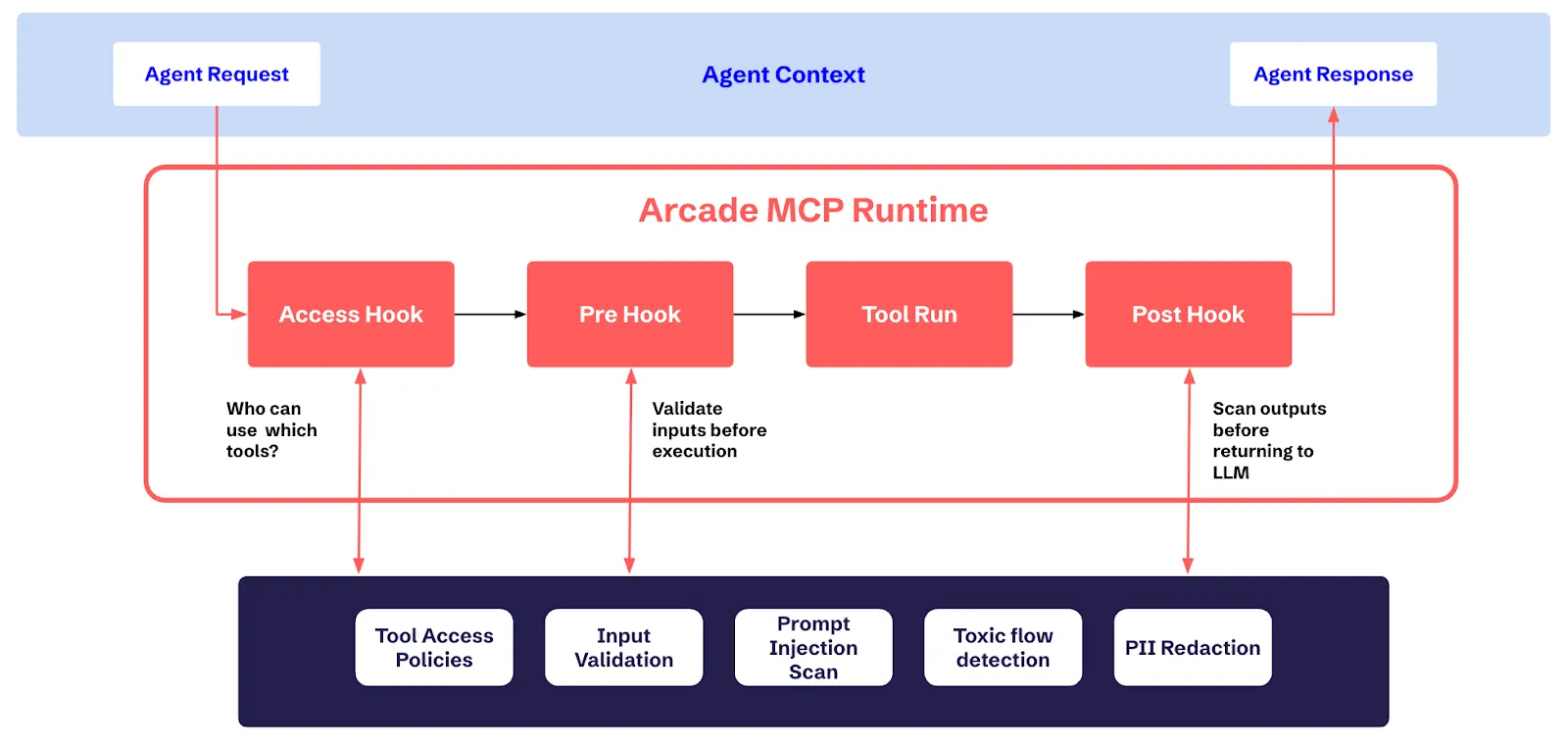
Introducing Contextual Access: The Third Layer of AI Agent Security

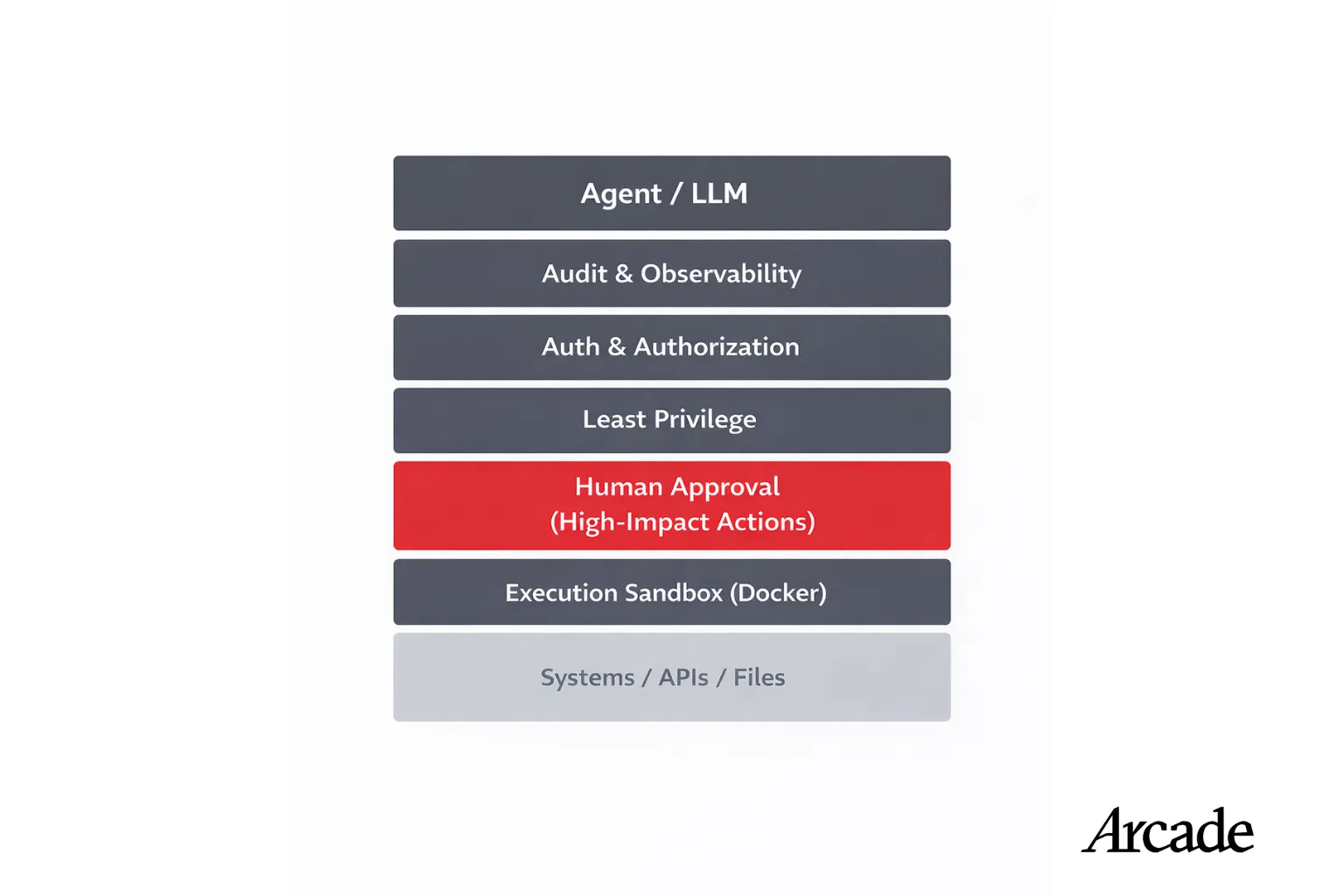
TL;DR: Arcade protects AI agent tool execution with delegated identity, scoped tool access, and governance. Today we're extending that security model with Contextual Access: runtime hooks that let you inject your own security, compliance, and filtering logic directly into the tool execution pipeline across three hook points, via any webhook on every tool call. The Problem: Getting AI Agents Past Security Here's what happens when an enterprise tries to deploy AI agents: the agent needs access

Rays decoration image

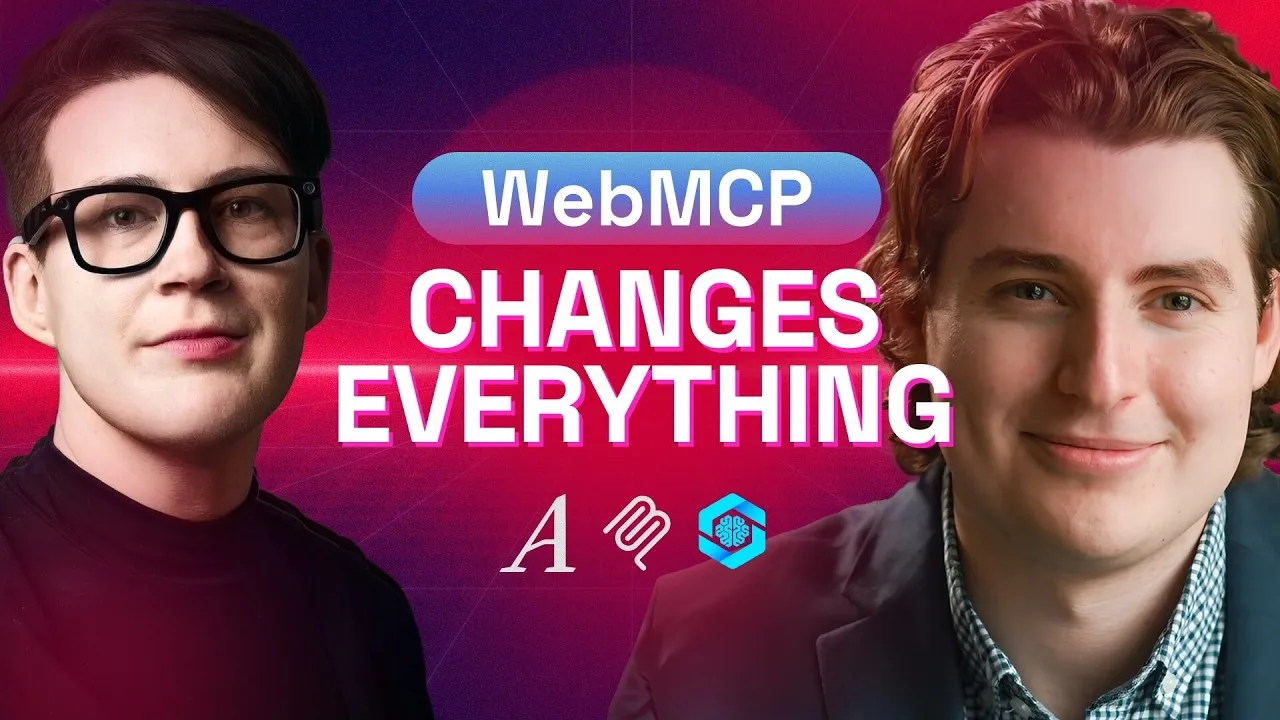
WebMCP: The Web Standard That Makes Every Website a Tool for Agents

Alex Nahas built MCP inside a browser at Amazon. Now Microsoft and Google are turning it into a W3C standard. This article is adapted from Alex’s interview in our video series MCP MVP. Episode 1 features Alex Nahas, creator of MCP-B and a driving force behind the WebMCP specification. Have thoughts on WebMCP? Share your thoughts in the video comments above ↑ Imagine your website telling a visitor’s ChatGPT agent, "Here's what I can do. Here's how to ask me to do it."  Until February 10, 202

PRODUCT RELEASE

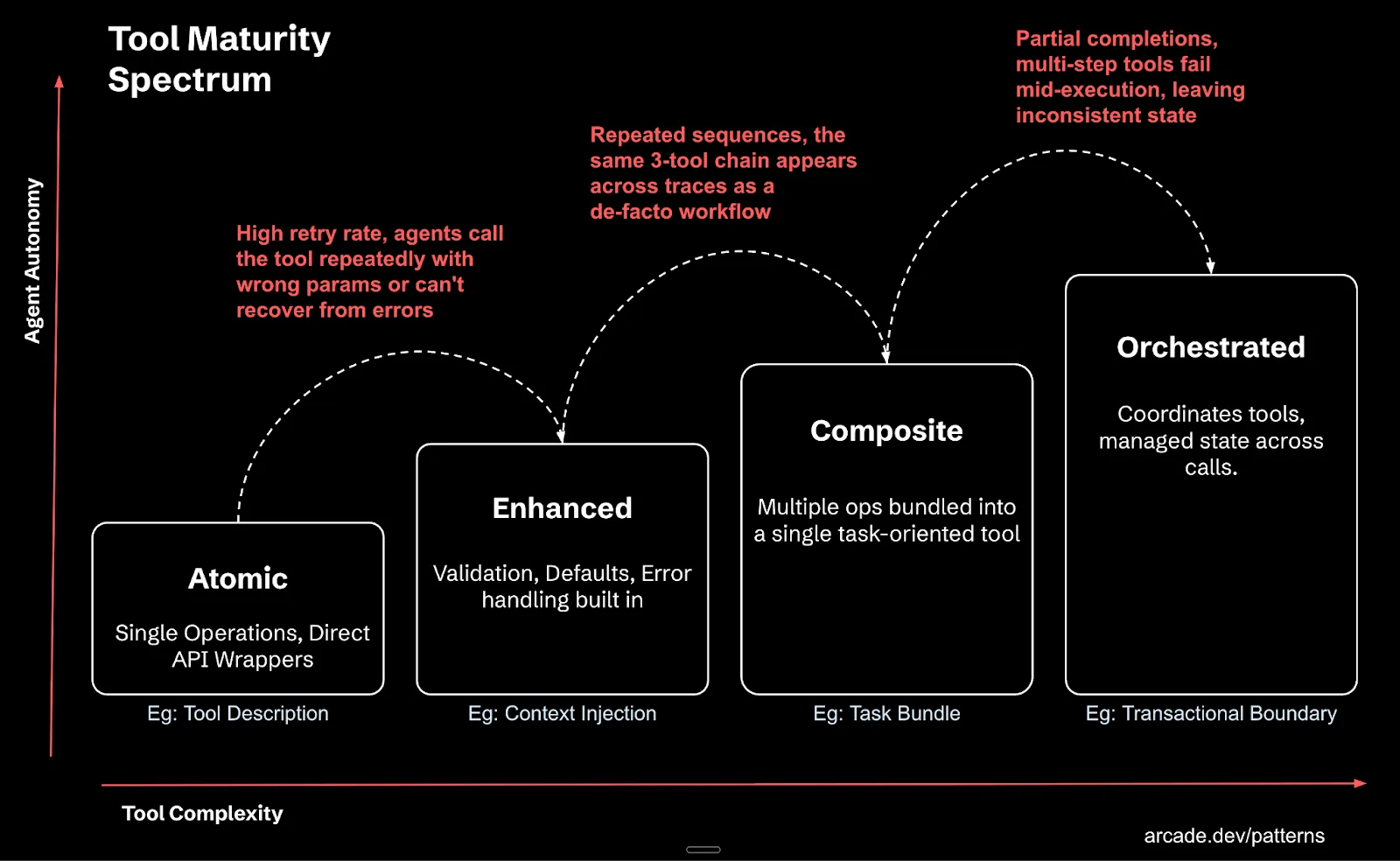
Patterns for Agentic Tools: Your agents are only as good as your tools.

The Moment Every few years, a new pattern language emerges that changes how we build software. In 1994, the Gang of Four gave us Design Patterns. In 2003, Hohpe and Woolf gave us Enterprise Integration Patterns. Since then: Microservices Patterns, Cloud Patterns, and now Agent Patterns. But there's a gap. Agents can chat and reason on their own - but they can't ‘act’ without tools. Standards like MCP have unlocked how agents discover and call tools. The protocol layer is solved. What's missin

TUTORIALS

OpenClaw can do a lot, here's how to make it secure

OpenClaw (a.k.a. Moltbot, a.k.a. ClawdBot) quickly became one of the most popular open-source agentic harnesses, gaining significant traction within days of release. Its creator, Peter Steinberger known from PSPDFKit success, has been building relentlessly, channeling his energy into the potential of AI agents. OpenClaw approaches the idea of an Personal AI agent as a harness that communicates with you (or multiple users) in any of the supported channels in multiple sessions connected to the u

THOUGHT LEADERSHIP

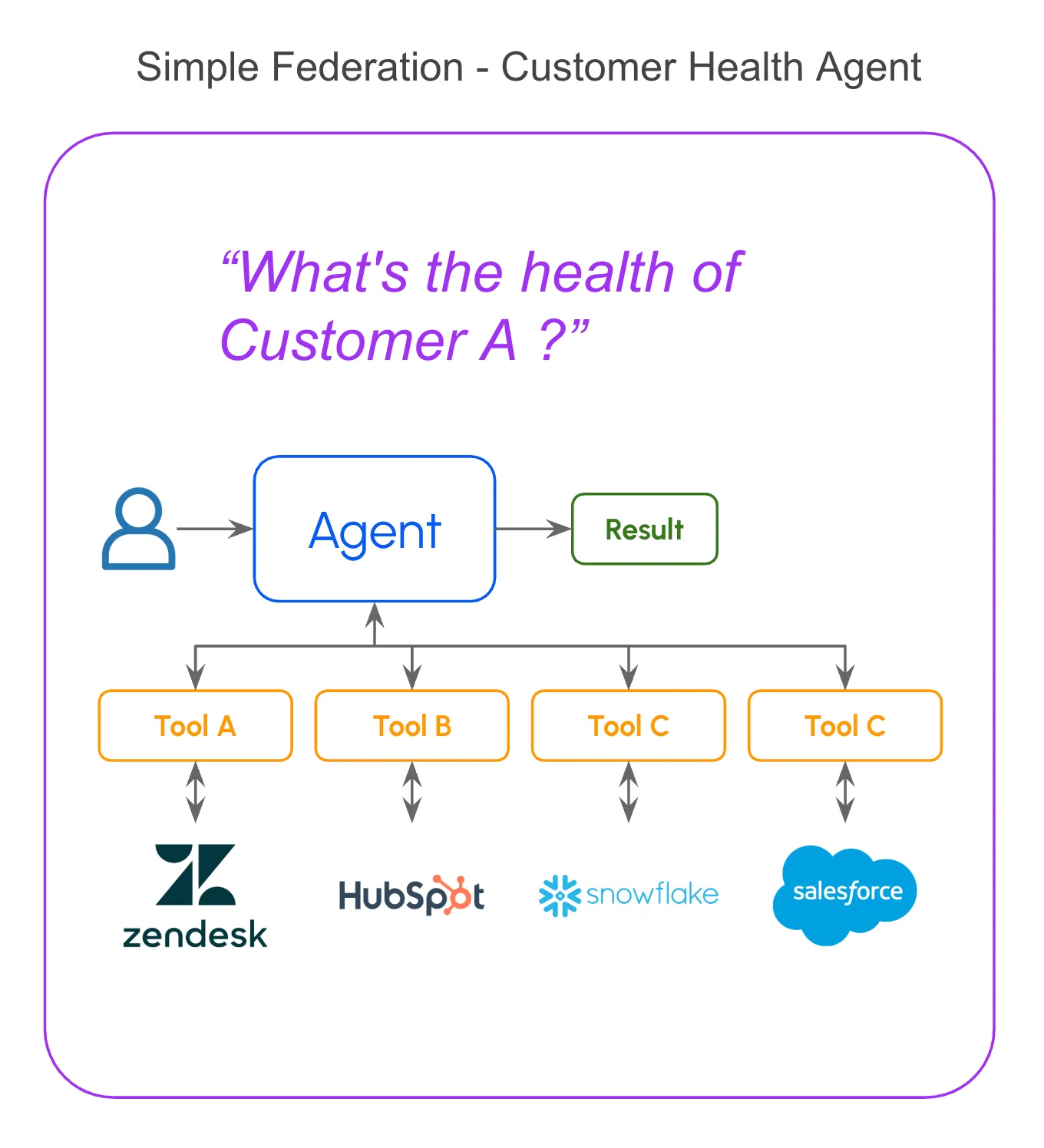
Federation Over Embeddings: Let AI Agents Query Data Where It Lives

Before building vector infrastructure, consider federation: AI agents with tool access to your existing systems. For most enterprise use cases, that's all you need. Someone told you to pivot to AI. Add an AI layer. “We need to be AI-first.” Fair enough. So you start thinking: what does AI need? Data. Obviously. So the playbook writes itself: collect data in a central place, set up a vector database, do some chunking, build a RAG pipeline, maybe fine-tune a model. Then query it. Ship the chatb

Rays decoration image
MCP

The MCP Gateway Pattern: scaling agentic integrations without tool sprawl

MCP makes it easy to go from “agent” to “agent that takes action.” The trap is that success compounds: every new system becomes a new server, every team ships “just one more tool,” and soon your integration surface is too large to reason about, too inconsistent to secure, and too messy to operate. Meanwhile, the model gets blamed for failure modes that are actually integration design problems. Tool definitions balloon. Selection accuracy drops. Context gets eaten before anyone types a prompt. A

Blog CTA Icon

Get early access to Arcade, and start building now.